The Designing Of Flower Tiles

For OEMC 2026, we at Uppsala Mahjong have created a unique set of 8 flower tiles. Each reflecting both the rich cultural heritage of Uppsala and the origins of the game. Together, they tell a story of tradition, place, and a shared passion for mahjong.


The Designing of Flower Tiles

For OEMC 2026, we at Uppsala Mahjong have created a unique set of 8 flower tiles. 

  1. Uppsala Mahjong Logo

  2. The Runestone

  3. The Fyris River at Sunrise & Sunset

  4. Snake’s Head Fritillary

  5. The Gunilla Bell

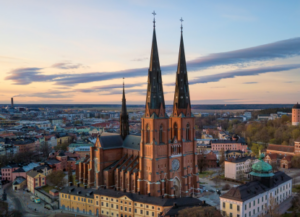
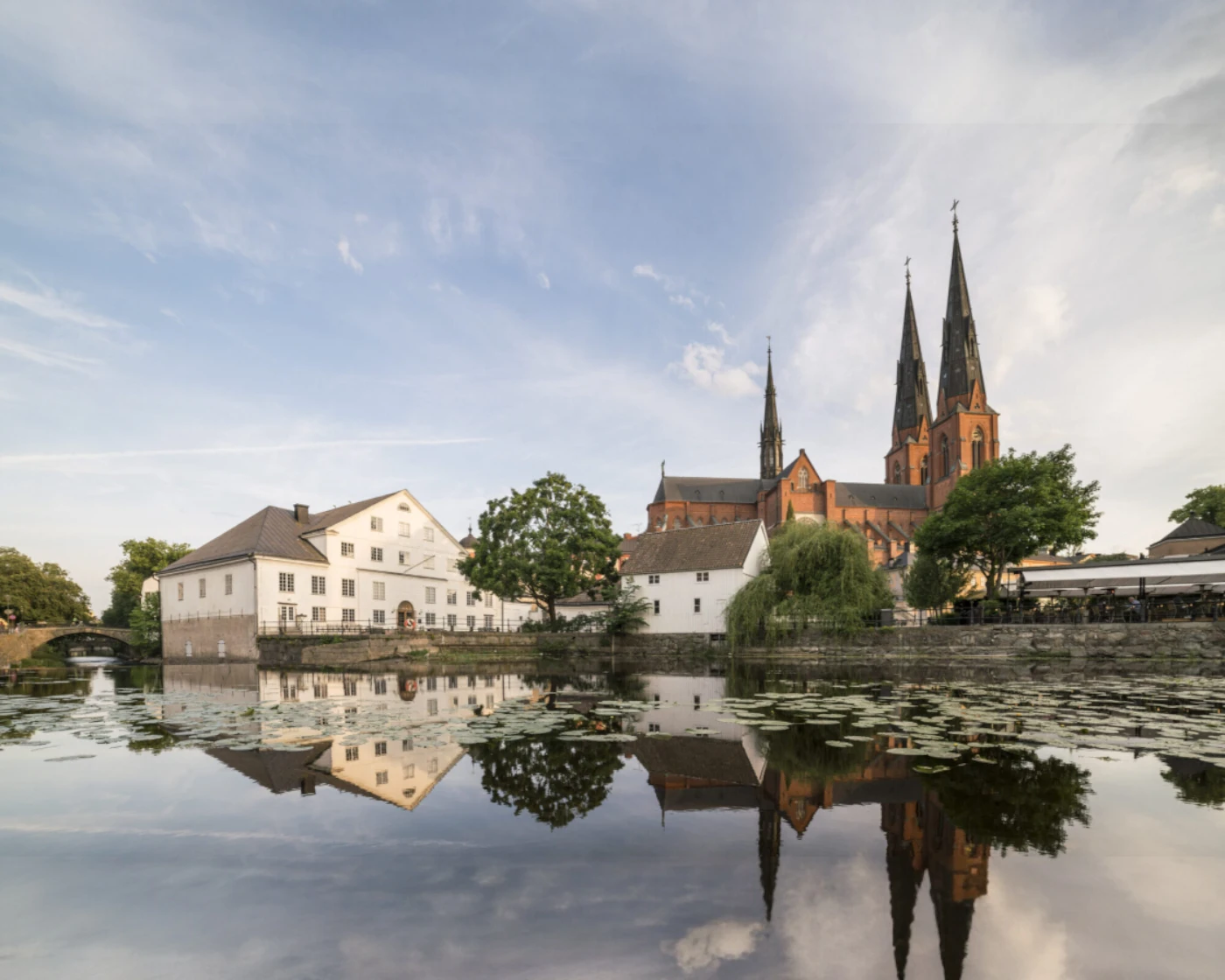
  6. Uppsala Cathedral

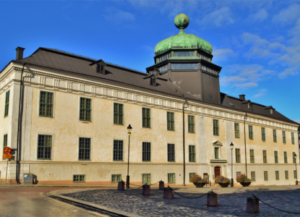
  7. Gustavianum

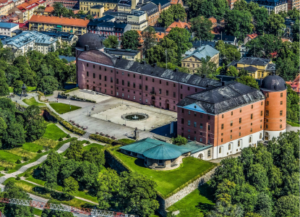
  8. Uppsala Castle

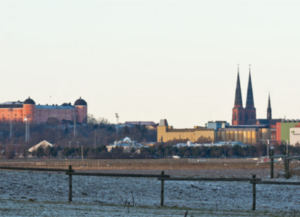
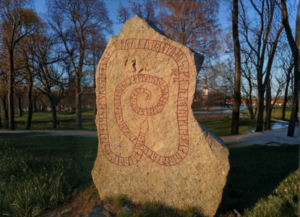
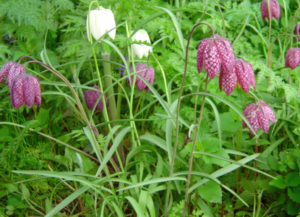
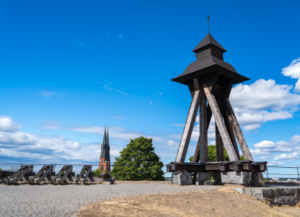
Each reflecting both the rich cultural heritage of Uppsala and the origins of the game. Together, they tell a story of tradition, place, and a shared passion for mahjong. The real-life objects that inspired our Mahjong flower tile designs are shown in the image slides at the end of the article.

Uppsala Mahjong loga

1. Uppsala Mahjong Logo
The first tile features our own logo. It includes the character 东 (East), symbolizing mahjong’s origins in China.

At the same time, we have incorporated the silhouette of Uppsala and water, connecting the game’s heritage with our city. A visual bridge between East and North.

Runsten

2. The Runestone – History and Legacy

Uppsala and its surroundings are rich in runestones from the Viking Age, often raised as memorials to people and events. Inspired by this tradition, we created our own runestone where the runes have been adapted to spell “Uppsala Mahjong.”

This tile represents our wish for the engagement and passion for mahjong to endure. Just like the stories carved in stone.

Fyrisån

3. The Fyris River at Sunrise/Sunset

The Fyris River runs through the heart of Uppsala and is a vital part of the city’s identity. This tile captures the imagery of sunrise/sunset over the river, symbolizing the rhythm of the game.

From beginning to end, and the many hours of connection that mahjong brings.

Kungsängsliljan

4. Snake’s Head Fritillary

The snake’s head fritillary, Uppsala’s provincial flower, is a strong local symbol. It represents beauty, rarity, and tradition.

These are the values we also associate with mahjong as both a game and a cultural practice.

Gunillaklocka

5. The Gunilla Bell

The Gunilla Bell is a well-known symbol in Uppsala, often associated with the passage of time and academic tradition.

It represents both discipline and the time we dedicate to improving as players.

Domkyrkan

6. Uppsala Cathedral

The cathedral is one of the city’s most iconic landmarks. With its impressive architecture, it symbolizes history, stability, and community.

Much like the mahjong table where players gather.

Gustavianum

7. Gustavianum

As one of Uppsala’s most historic buildings, Gustavianum represents knowledge and learning.

Mahjong is not just a game, but also strategy, analysis, and continuous development. Something this tile highlights.

Slottet

8. Uppsala Castle

Overlooking the city, the castle stands for strength and perspective. It also symbolizes the spirit of competition—the ambition to improve, rise higher, and reach new levels in the game.

Together, these eight flower tiles form a cohesive whole. Each design carries its own meaning while contributing to a larger narrative. They reflect our pride in Uppsala, our respect for mahjong’s origins, and our ambition to create a memorable OEMC 2026.

Here are the sources of inspiration behind the design of our flower tiles

Leave a Reply

Your email address will not be published. Required fields are marked *